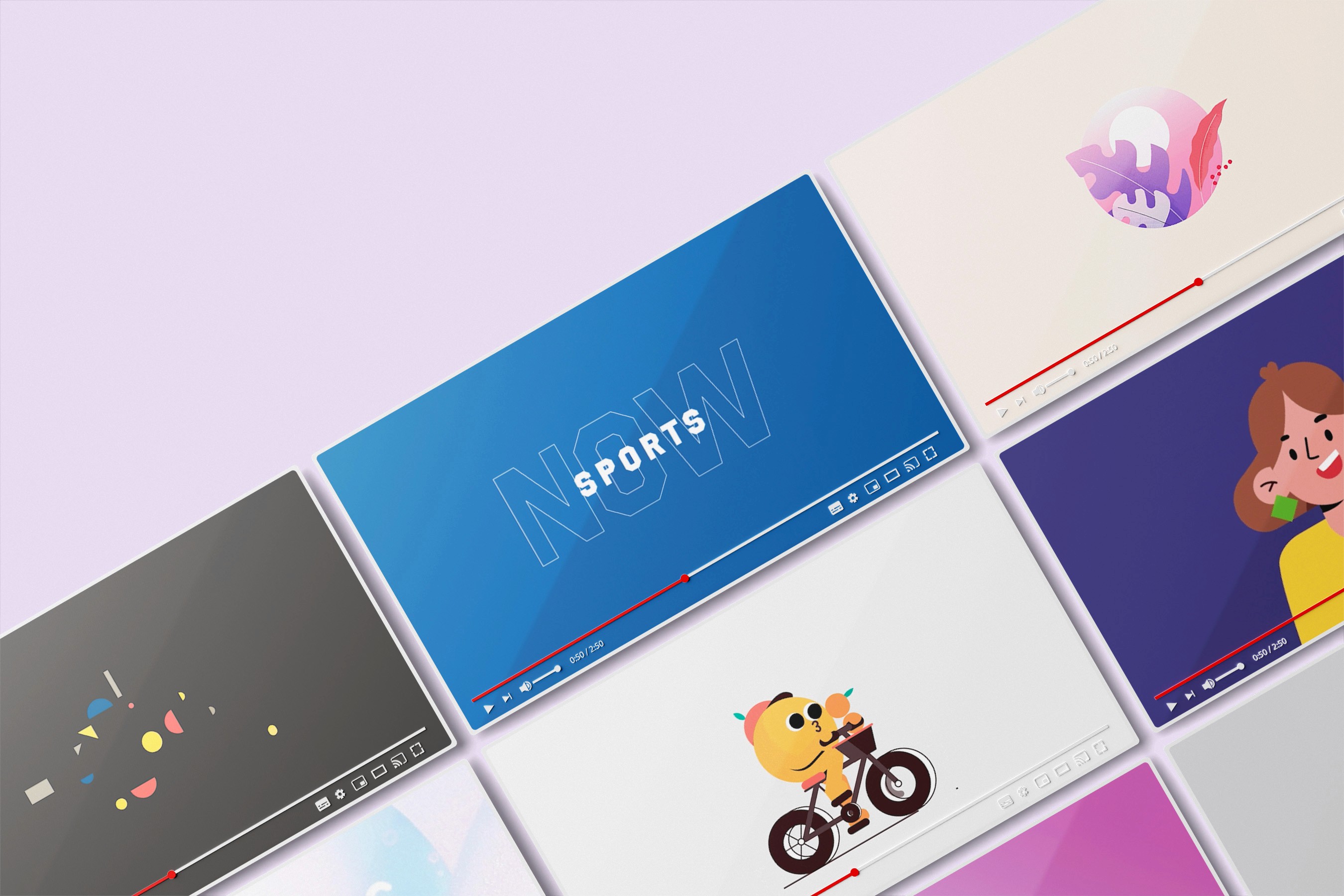
Understanding the Challenge
Freelancing across different industries, the same problem kept coming up: vague briefs and scope creep. A lot of clients didn't have a design background, so they struggled to explain what they actually wanted — which meant endless rounds of feedback and slow production. I needed a way to close that gap and still deliver good work on a realistic budget.
The Approach
Rather than waiting around for a clear brief, I flipped the process — show, don't ask. Putting real visual options in front of clients early, and using tools they could actually collaborate in, turned out to be the fastest way to get everyone aligned and moving in the same direction.
The Execution
Led with visuals, not just questions: When a brief was vague, I'd put together 3–5 distinct directions backed by real references, rather than asking more questions. Made decisions a lot faster, and took the guesswork out for the client.
Made feedback a two-way thing: Ran face-to-face meetings and Zoom sessions instead of relying on email chains. Got clients set up in Figma and Miro so they could actually see and comment on work in progress, instead of just reacting to a final file.
Animated character work for a kids' app: Designed and animated character assets in After Effects for a children's education app — turned flat concepts into motion that actually felt alive for a young audience, while working within a pretty tight budget.


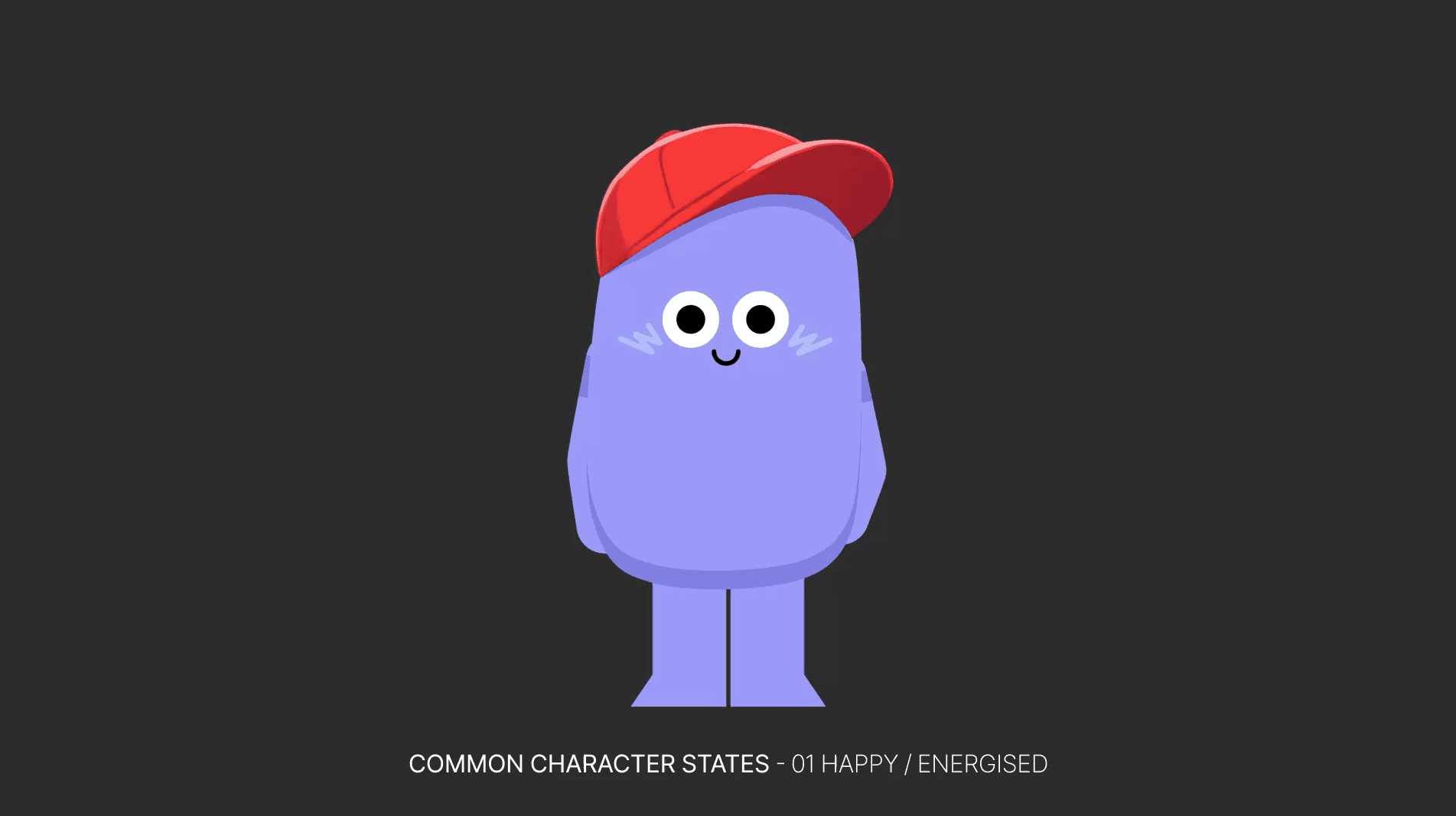
All initial directions got approved: Instead of picking one and binning the rest, the client kept all initial visuals — the other concepts ended up on loading screens and 404 pages, which made the whole app feel more cohesive.
Feedback stayed small: Because the initial concepts were solid, revisions were limited to small stuff — like adding a hat to a character — nothing that meant reworking the whole design.
Faster turnaround overall: Clear concepts up front plus quick, targeted revisions meant projects wrapped up faster, without cutting corners on quality.

